
Women in Capitalist Society
It is undeniable that women have long been oppressed under capitalist societies. The patriarchal structures embedded within these systems have perpetuated the subjugation of women.

In Frederick Engels' seminal work, The Origin of the Family, Private Property, and the State, he delves into the ways in which private property and patriarchy have developed in tandem, reinforcing each other over time. The concept of individual ownership over property, including land and means of production, has given rise to a society characterized by competition and hierarchy, wherein men have traditionally exerted more influence and authority.
This system has also fostered the notion that women are the property of men, providing the catalyst of women’s oppression.
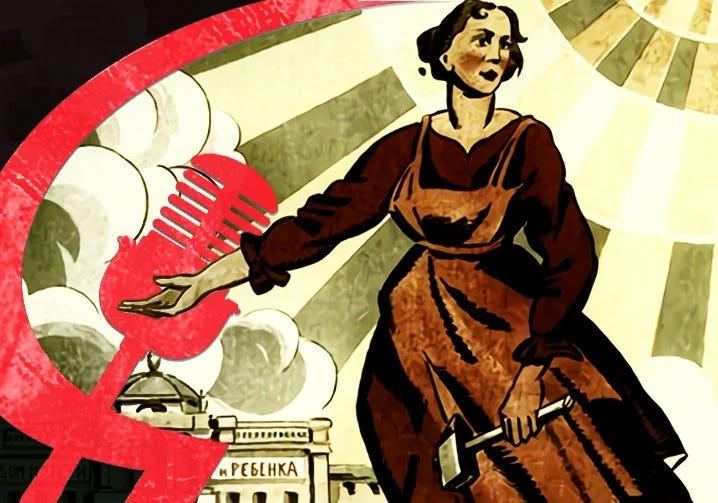
Today, the convergence of capitalism and patriarchy is apparent in the manners in which the labor of women is assessed and remunerated. The commercialization of women's bodies and sexuality is directly linked to both patriarchy and sexism. I will provide a few examples.
Housewives:
This "invisible labor" - childcare, housework, cooking, cleaning, and emotional support - is estimated to be worth trillions of dollars annually, yet it is systematically ignored and devalued under capitalism. As a result, women continue to shoulder a disproportionate burden of domestic responsibilities, limiting their ability to achieve economic independence and pursue educational and career opportunities.
In abusive relationships, the pattern of mistreatment frequently commences with the victim's separation from their network of support, subsequently leading to emotional, physical, and sexual abuse. Housewives, particularly, may experience a sense of entrapment in their roles, given their economic reliance on their partners and the absence of financial means to break free from the relationship.
After giving birth, numerous women often choose to step back from their full-time jobs and embrace the role of a stay-at-home mother. However, this decision can expose women to certain risks, especially if their partner departs or if the dynamics of their relationship change in a manner that necessitates the woman's departure.
During the period when women have children and have spent several years away from the professional sphere, they find themselves in a particularly vulnerable position. This vulnerability is further exacerbated by the fact that many employers tend to reject individuals with gaps in their resumes, highlighting the exclusionary nature of the workforce when it comes to accommodating women's needs - particularly of single mothers.
Beauty Industry:
The beauty industry is deeply intertwined with systems that perpetuate misogyny, classism, and racism. Women are frequently encouraged to conform to the beauty ideals of the wealthy, as various popular trends promote consumerism. By adopting the aesthetics associated with the upper class or desired by men, women strive to avoid the devaluation, misogyny, and classism they face based on their appearance in society.
In certain regions, having a tan is considered ideal as it resembles well-traveled socialites, while in other places, having light skin is preferred as the upper classes tend to stay indoors. Capitalists further exploit women by intentionally creating new standards to follow, as the beauty industry turns insecurity into profit.
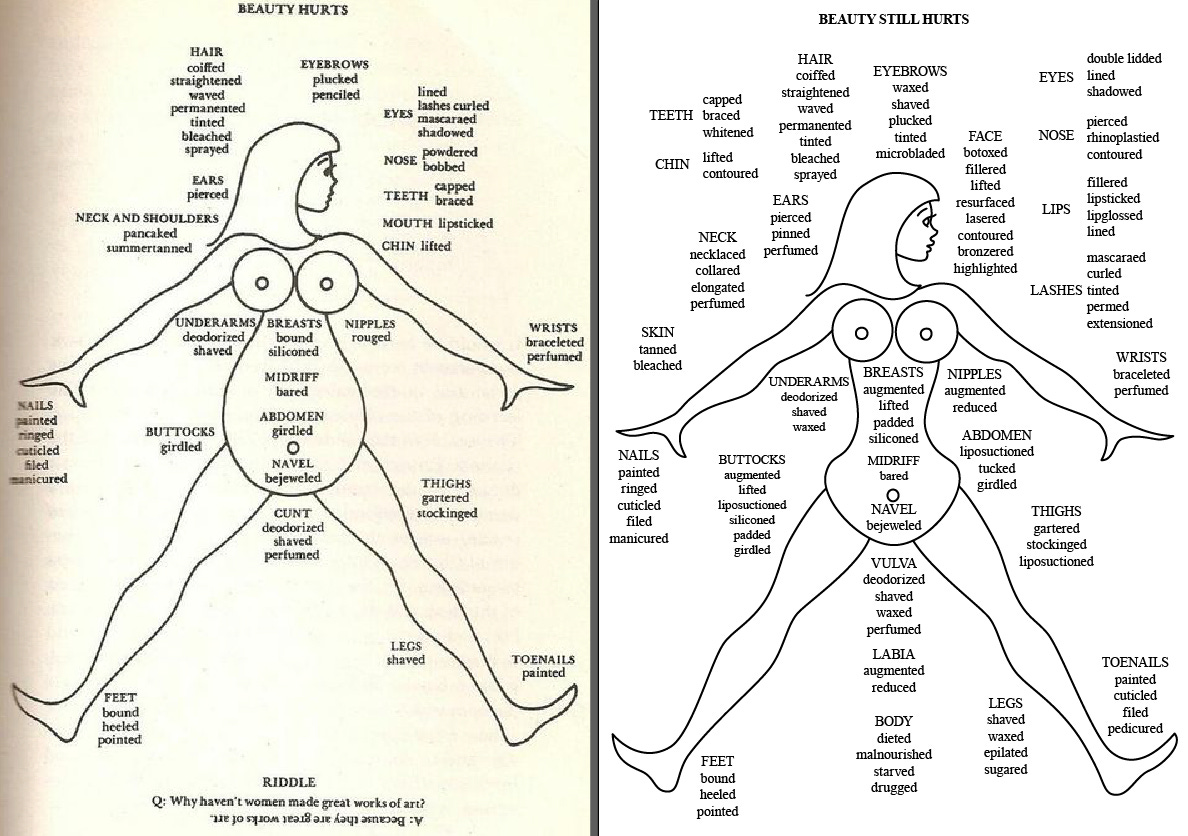
Women with visible ethnic characteristics, frequently face societal expectations to adhere to Eurocentric beauty norms. This societal pressure often results in detrimental practices like skin bleaching, utilizing makeup to alter their features to appear more European, or even resorting to cosmetic surgery. For instance, east Asian women may undergo eyelid surgery, while black women may opt for makeup nose contouring or hair relaxing, all in an attempt to conform to a European beauty ideal.
Beauty standards are dependent on the culture and region of the world. In some places, being thin is generally considered more attractive while in others, being thick or curvy is seen as more desirable. This standard of beauty often leads to women feeling pressured to conform to a certain ideal, which can result in unhealthy dieting habits, body dysmorphia, and eating disorders.
This pressure to conform to unrealistic standards can have significant ramifications on the confidence and self-esteem of these women, but also reinforces the idea that women's bodies are inherently flawed and in need of constant improvement. For many women, not following beauty standards may not just have social consequences, but economical ones as well - as women perceived as more conventionally attractive have better prospects in employment.
Abortion:
The association between opposition to abortion and white supremacy, capitalism, and patriarchy is well-documented. Natalist ideologies aim to exert control over women's bodies and reproductive choices in order to uphold the interests of the dominant group. This control extends beyond just abortion and encompasses reproductive healthcare in general, with women frequently encountering systemic barriers when it comes to accessing contraception and other methods of birth control.
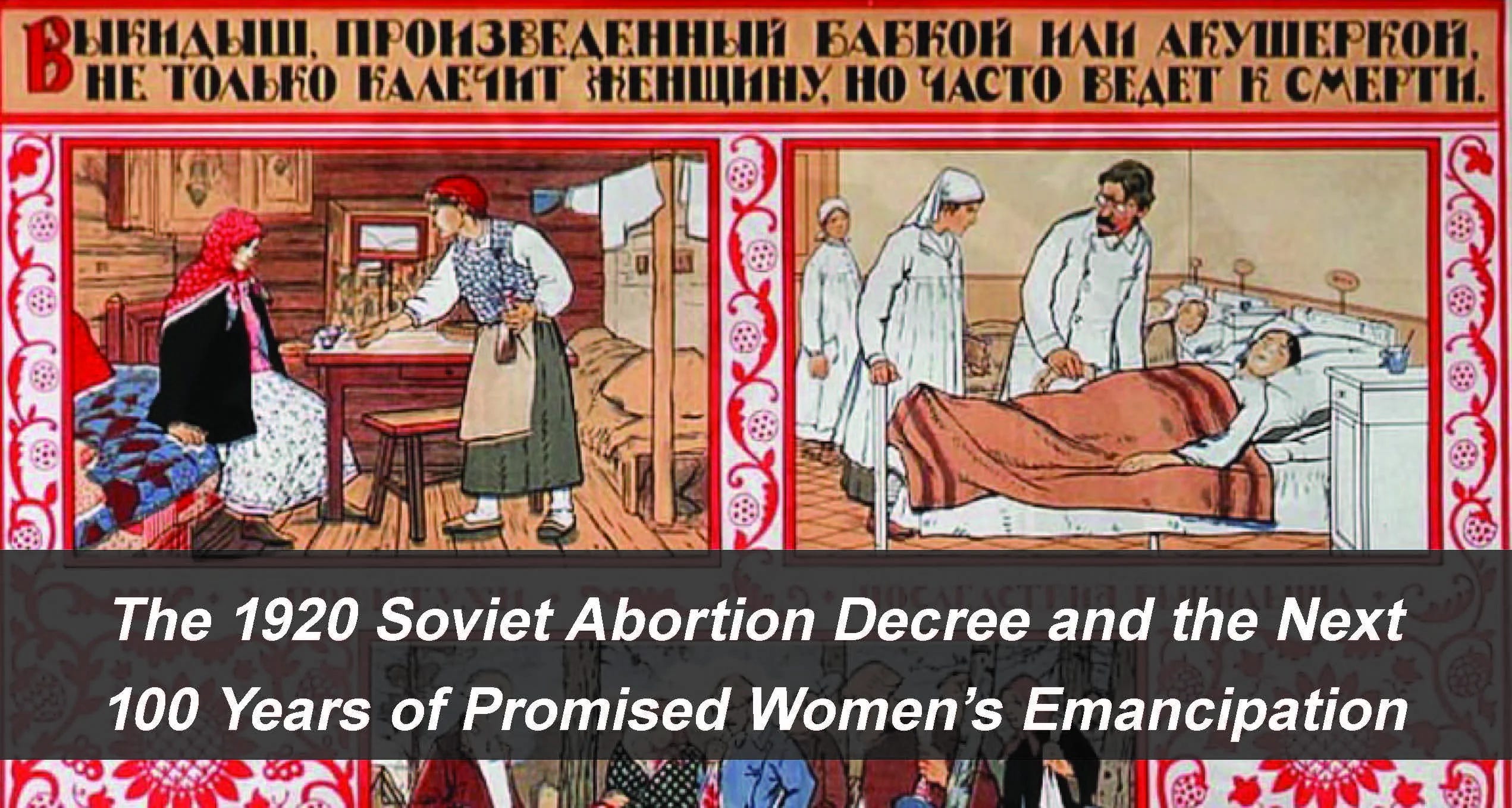
The Soviet Union was one of the first countries to legalize the procedure in 1920, well before it became a hot-button issue in the United States. The Soviet Union's approach to reproductive rights was grounded in the belief that women should have the autonomy to control their own bodies and that reproduction should be a matter of personal choice, rather than a tool for social control or population management. This progressive stance set the stage for subsequent developments in women's rights across Eastern Europe and the former Soviet bloc.
Surrogacy:
The practice of surrogacy transforms women's bodies into commodities, diminishing their worth and reinforcing a detrimental patriarchal structure that perceives them solely as vessels for reproduction. This exploitation is not confined to developing nations; it is a global concern that impacts women from diverse backgrounds. In the global north, affluent couples frequently engage in "surrogacy tourism," journeying to countries such as Ukraine and India to locate surrogates who will bear their children at a significantly reduced expense. These agreements frequently involve women from disadvantaged backgrounds.
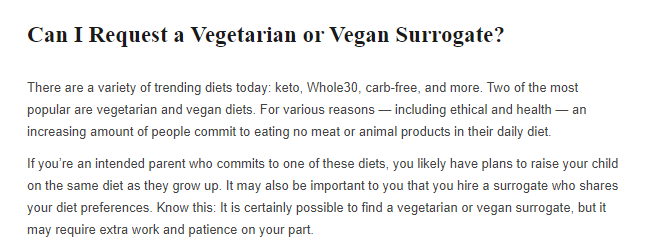
Source: American Surrogacy Blog
Couples who seek the assistance of surrogates often impose extensive demands on the surrogate mothers that extend well beyond the mere act of carrying a child to full term. These demands may include controlling the pregnant woman's diet, exercise regimen, and lifestyle choices, as well as subjecting her to invasive medical procedures without fully comprehending the potential risks involved.
This sense of entitlement among these customers, who believe they have paid for a child and a service, can lead to an increased likelihood of conflicts or even legal battles with the surrogate mothers. In certain instances, surrogates have been coerced into relinquishing their parental rights, even after developing a bond with the child they have carried for nine months.
The surrogacy industry's expansion has reached the black market which has also given rise to the establishment of "baby factories," where CEOs employ multiple women who are impregnated multiple times for profit, the surrogates are often compelled to surrender their babies against their will.
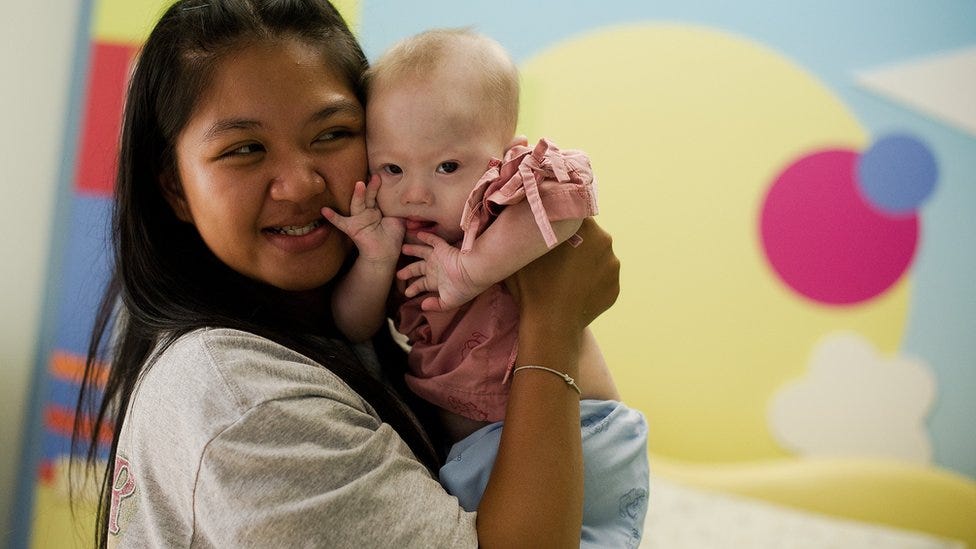
Surrogacy has been associated with various scandals, such as the Baby Gammy case, where an Australian couple's surrogate baby was born with Down syndrome in Thailand. The couple chose to abandon the child, leaving the responsibility of raising him to the surrogate mother. These instances shed light on the intricate ethical and moral dilemmas surrounding surrogacy, as well as its impact on children who might be perceived as commodities rather than individuals with fundamental rights.
Sex Trafficking:
The sex industry, which includes pornography, prostitution, and sex trafficking, continues to exploit women through various methods. The objectification of women's bodies in pornography has been linked to an increase in sexual violence and the normalization of non-consensual acts. While some may depict prostitution as a choice, it can be seen as a form of economic exploitation for many women, particularly those who are trafficked or coerced into the industry.
The majority of women involved in the sex trade are the working class and face economic vulnerability. The link between class oppression and sexism serves as the driving force behind the sex trade.
I write more about the relationship between classism, prostitution, porn, and human trafficking here.
Conclusion:
In order to truly achieve liberation for all women, it is imperative that we confront the oppressive systems that perpetuate sexist violence and economic exploitation. It entails challenging the prevailing narratives and power structures that uphold patriarchal capitalism, and striving towards a society where women's rights are fully acknowledged and respected.
As stated by Audre Lorde:
"There is no such thing as a single-issue struggle because women's issues are human issues, and ultimately, they affect us all."
Do you like these articles? Want to talk more about radical feminism, anti-capitalism in a leftist space?
You’ll love our community over at RadLeftUnity! Join us over at Discord.