
Why the Child? The Manifestations of Patriarchy
The Epstein scandal blazes the headlines and discourse around the trafficking of women and children, but there's a few questions that have not been asked.

When it comes to Epstein, regardless of political alliances most people will agree that a global rich pedophilic sex trafficking ring is not something that most sane people can willingly and openly defend; It crosses one of the biggest taboos in modern society. Many people will blame the transgressions done by Epstein, Trump and his associates as merely a quirk of rich and powerful people or that it is simply a inclination of a small percentage of men.
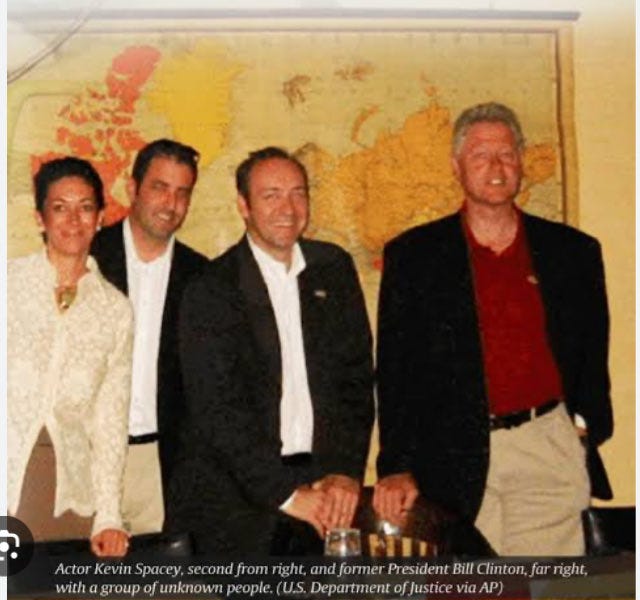
It is true that an exorbitant amount of power and wealth served as a major catalyst for the events on Epstein’s island, or even for smaller fish like Andrew Tate’s sex trafficking operations in Romania - but there’s much more to unravel when it comes to the motivations and design. The issue extends far beyond mere “wealth,” as sex trafficking occurs across all socioeconomic classes of men.
We know that the sex trafficking of children is overwhelmingly correlated with male perpetrators, yet we rarely ask why. We acknowledge that men are more likely to be pedophiles and rapists, but the deeper reasons remain underexplored.
One underexamined aspect is the relationship between patriarchy and the treatment/exploitation of children.
Why the Child?
Under patriarchal hierarchy, society is structured as a rigid totem pole with multiple tiers. At the top sit men who most closely embody the idealized expectations of masculinity: strong, well-resourced, dominant, and aggressive - whether intellectually, economically, or physically. Below them are “regular” men who may not fully fit this mold but still enact dominance over those beneath them. Further down come men who adopt more feminine or submissive roles in relation to other males. At the bottom lie women and children.
Male dominance is fundamentally about conquest and domination; by default, this is directed toward women and weaker men. Without a clearly subordinate “woman role” to define itself against, the male role itself comes into question. Masculinity requires something more vulnerable to assert and redeem itself - without this foil, there is no performance, no validation, no value. Masculinity must be enacted daily in casual contexts as well as sexually. Absent of such outlets, men feel incomplete, exposed, vulnerable; the smaller dog in a dog-eat-dog world, emasculated, even symbolically castrated.
This dynamic underlies much of the resentment toward the “modern woman”: she is accused of “wilfully and spitefully” demoting him to the status of a feminized man or making his life unnecessarily difficult, without regard for his need to maintain hierarchical superiority.
A man may fight and compete with weaker men as a way to affirm his masculinity. This dynamic is designed to prepare men for their prescribed role as instruments of violence and war - pawns within the class system. To achieve this, a man’s psyche must be broken and refashioned into that of a perpetual soldier for the state. His reward system is recalibrated so that his very sense of self becomes tied to the destruction and domination of others.
In this framework, war is not merely about acquiring capital; it also sustains the collective ego of men, who elevate themselves within their own hierarchy by competing against one another. Despite the dopamine rush this provides, constant real competition is exhausting, risky, uncivil, and psychologically taxing. In today’s world, these impulses can be partially sated through less bloody outlets: competitive sports/games, vigorous expressions of national pride, sexual conquests, everyday interactions within capitalist systems, and even sporadic acts of minor, unnecessary violence.
One common outlet for this need for domination is sexual interactions with women. Men may pursue conquest in numbers; competing as modern Casanovas to rack up partners, deflowering and taking her virginity, or express it through violent, “wrecking” sexual acts (or rape) that demonstrate physical dominance over her body. Alternatively, they may enforce submission within the home, playing the roles of unquestioned authority and provider.
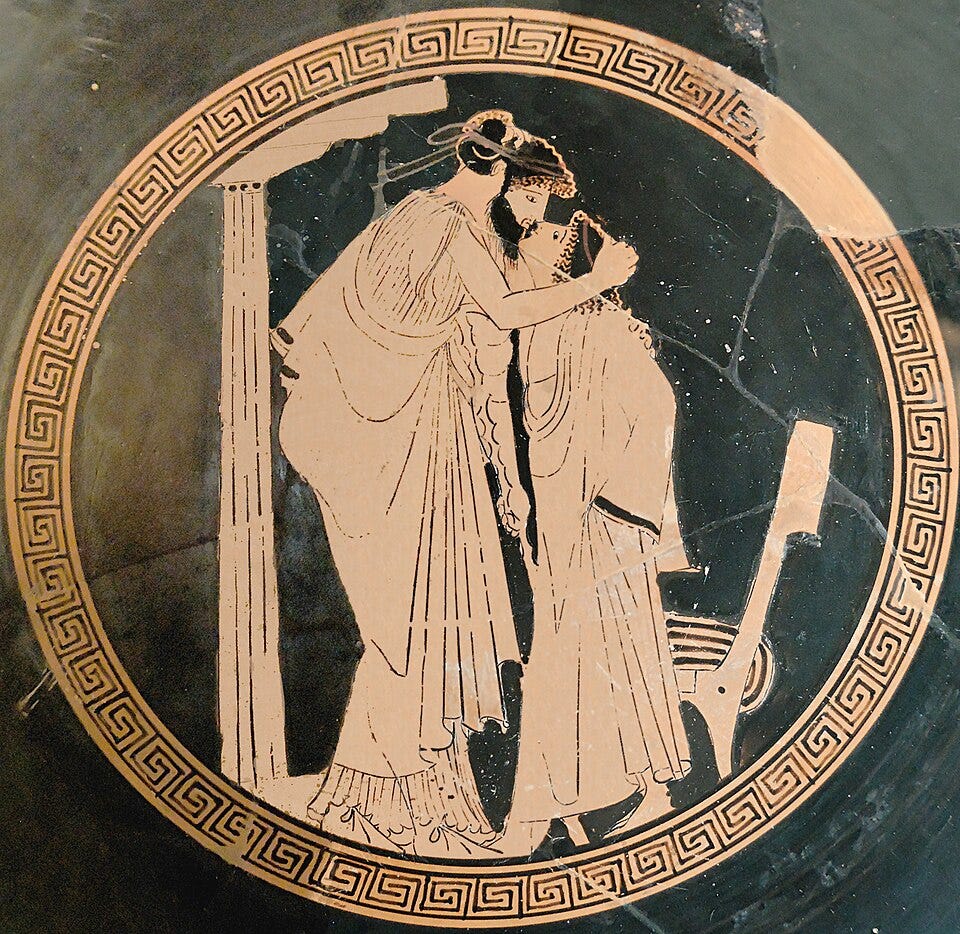
This pattern is not confined to women. Even in same sex dynamics, many men cannot escape expressing domination toward other men. A hyper masculine man may still pose a threat to this ego driven hierarchy, so some prefer feminine men whom they can treat sadistically in ways mirroring their treatment of women, including extreme acts like pederasty and rape. Men capable of attraction to men, yet with a strong preference for femininity as a means of upholding their egos, may retreat to feminine men to continue their masculine role.
In these cases, they often groom young men or attempt to reshape those partners, encouraging altering their bodies to mimic female or childlike attributes or coercing behaviours that align with traditional femininity, because their desire is rooted less in their same sex attraction and more in preserving hierarchical dominance over something perceived as vulnerably “feminine.”
The masculine ego thrives on several key performances, including:
Authority: The desire and ability to shape the world according to his interests. Attaining resources, deciding who receives them, and universalizing his worldview as the default or “natural” order.
Dominance: Overwhelming others through displays of strength, intellect, or capability to affirm one’s position in the hierarchy.
Protection: Demonstrating utility by assuming the role of protector, provider, and defender. This is often interpreted as altruistic or loving. Yet under patriarchal logic, it frequently becomes toxic: men have historically created artificial dependence in women (IE: by limiting their economic and social opportunities) precisely to sustain this role. The “protection” thus doubles as justification for ongoing dominance.

But the male ego is inherently fragile. A woman remains a sentient full human adult; capable of thinking, feeling, questioning, and rebelling. Patriarchal ideology may deny women’s intellect and natural desire for autonomy, yet reminders inevitably surface: when conditioning wears thin, a woman may demand better treatment or question the supposed benefits of perpetual submission. This creates profound tension for masculine identity. The greatest fear is not mere physical insubordination but intellectual challenge. She may analyse his weaknesses, recognize that he is “not all that,” doubt his motivations, and question his claimed “innate” superiority - perhaps even rival or surpass it. When this happens, she ceases to provide the validating fuel his masculinity requires.
This dynamic explains why many men, despite finding women their age or older physically attractive, grow to resent peers who maintain relative control over their lives and can assert themselves. A woman who has lived long enough often stops viewing a man as an unquestioned “king” and begins to see him as an equal. She may have prior partners by which to measure his sexual or emotional performance. In today’s world, she can divorce him, walk away, or hold him accountable if he crosses boundaries. All of this disrupts the enjoyment derived from traditional masculine identity. It thrusts him into an egalitarian dynamic, or, worse in his perception, a submissive one, where he must “compare himself” to her on equal footing.
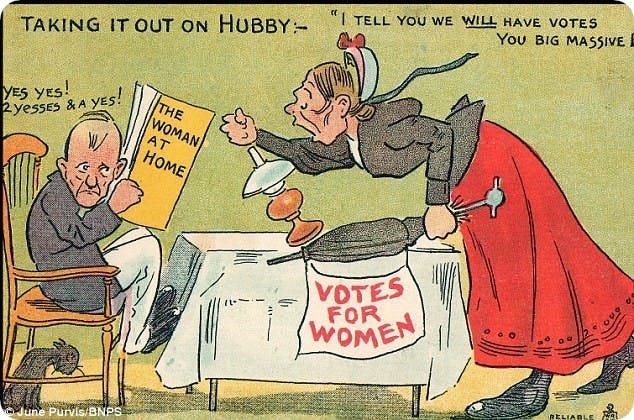
She ceases to be a safe, validating space for unchecked expressions of dominance; instead, she forces him back into the exhausting competitive world of peers. The core conflict emerges: he remains attracted to women, yet craves a dynamic that safeguards his fragile masculinity and desires without challenge.How can he reconcile genuine attraction with the need for unchallenged superiority? The patriarchal solution often involves seeking partners perceived as more inherently vulnerable and less likely to rebel; those who cannot easily analyse his flaws, compare him unfavourably, demand reciprocity, or leave. When adult women (or even feminine men) become too threatening to the ego’s hierarchical needs, the search shifts downward in vulnerability.
But there is a “safe space” for this fragile ego: What if you could condition someone who could never rival you; intellectually, physically, or emotionally? A fresh slate. Someone malleable, whom you could shape to worship you, mold their entire worldview, and control their understanding of reality.
Someone inherently unthreatening, ignorant of the world, lacking experience, “sexually pure,” and dependent by nature. Children represent the ultimate manifestation of vulnerability: the most powerless group on which to enact unchallenged masculinity. It is utterly safe: no risk of serious rebellion, no power, ability for sophistical analysis, comparison, or escape.
Here, you can “fix” the woman and adult problem entirely. Of course, this costs another person their childhood, but they do not care about that - it is self-serving. You become the teacher, the villain, the saviour all for self-gratification; all roles that affirm absolute authority without contest. The ego remains secure.
Yes, it’s patriarchal. Thus cultural pedophilia is born.
Traditional Patriarchy vs. Neopatriarchs
When discussing cultural pedophilia, there are two types of patriarchy we need to be aware of - Traditional Patriarchy and Neopatriarchy.
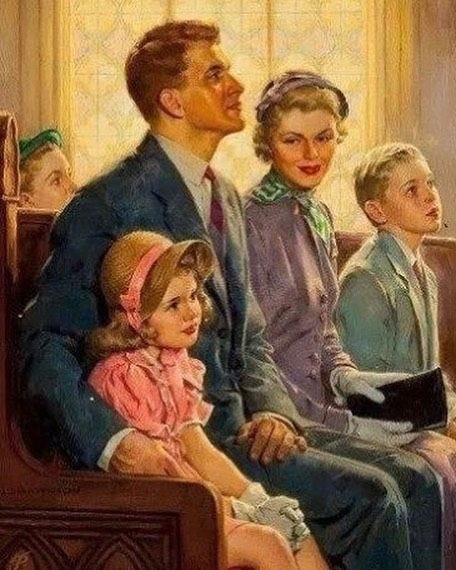
Traditional patriarchs operated through structured, cooperative institutions that maintained male dominance while preserving social order. Marriage, the nuclear or extended family, and regulated forms of the sex trade (IE: prostitution, concubinage, or socially sanctioned extramarital outlets) functioned as a system of checks and balances. These mechanisms distributed “resources” (primarily women and their reproductive/sexual labour) in ways deemed “fair” among men of comparable status, fostering male solidarity and hierarchy without overt chaos. The rhetoric of protection; framing men as providers, defenders, and guardians of women and children, served as ideological justification, masking exploitation while stabilizing the system through mutual norms and family based legitimacy.
Unfortunately some women of the traditionalist ideology have fallen for this facade, as Dworkin elaborates in her book “Right Wing Women”.

Neopatriarchs, by contrast, are markedly more individualistic. They largely abandon or minimize reliance on marriage and family as vehicles for status, gratification, or control. Instead, they center the unregulated or hyper-commodified sex trade; pornography, escort services, trafficking rings, transactional arrangements, or online exploitation, as the primary arena for sexual and ego fulfilment. They often reject traditional marriage outright, eschew family formation, endorse infidelity or serial transactional relationships, and dismiss the provider/protector role as burdensome or unnecessary. The veneer of altruism evaporates: there is little pretence of “protecting women and children.” What remains is unapologetic entitlement to dominance, stripped of cooperative or institutional facades.
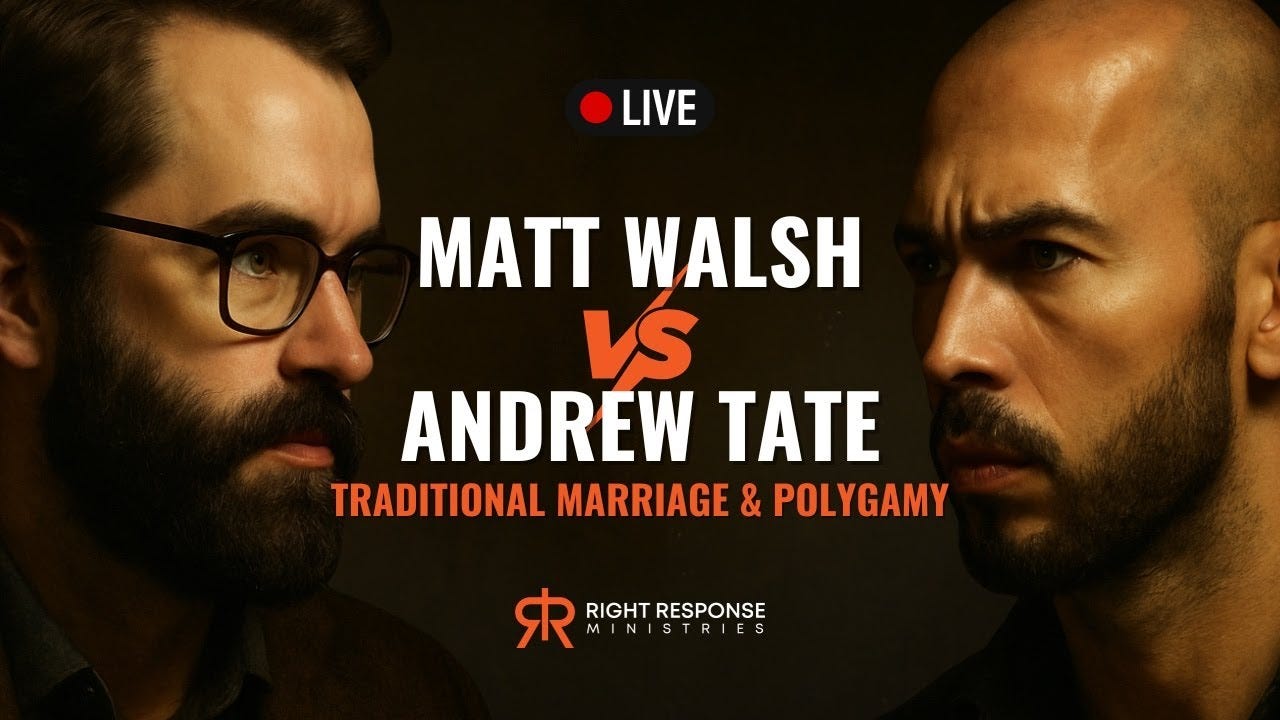
There has been a conflict between traditional patriarchs (think; tradcaths, fascists, religious men, etc) vs the neopatriarchs (think; libertarians, some liberal and so-called left wing men, the new right, Andrew Tate, etc) who think their version of patriarchy is better. At root, neopatriarchs are not substantively different from traditional patriarchs - they pursue the same imperative for unchallenged masculine supremacy and hierarchical validation over the vulnerable. The shift lies in adaptation to modern conditions: when adult women gain autonomy, economic independence, legal protections, and the ability to exit or challenge relationships, the old institutional safeguards become unreliable or obsolete.
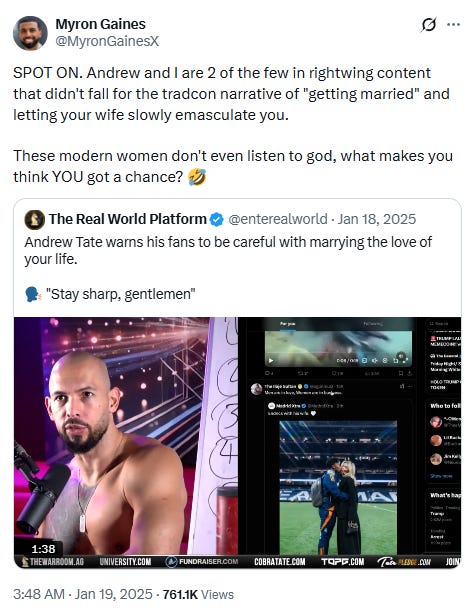
Neopatriarchs respond by bypassing egalitarian risks entirely, turning to the sex trade’s most exploitable participants, often young, economically vulnerable, or trafficked girls and women who offer the “fresh slate” of absolute dependence and minimal threat. This hyper-individualistic model allows fragile egos to secure safe, uncontested performance of masculinity without the messiness of partnership or reciprocity.
Traditional patriarchs point this out and often oppose their systems (IE: anti-porn/prostitution, etc). In reality this is not intended for the sake of women; when traditional patriarchs had more control over the system they normalized pedophilia and allowed child marriage. In fact, they are the kind that keep child marriage alive in many states in the United States. You can see countries here traditional patriarchies still have full control, nearly all of them endorse open exploitation of children.
The difference between neopatriarchs and traditional patriarchs is that the traditional men promoted the marriage of children, whereas the neopatriarchs are happy to be the next absent father to a teen mother (a majority of teen pregnancies are to an older father). Today’s neopatriarch can either use his hidden immorality to laugh at the traditional patriarchies in what they call “savage” countries for openly stating what our men do secretly behind closed doors and without “commitment”.
Traditional patriarchs bite back; they normalised the “kindness” of marrying the child and say that because they provide for the child there is no harm. In reality it is the same level of control we know is relevant to the male ego, not “altruism” - there is no altruism into sexually exploiting a minor even if it is validated by the state after taking them from their parents to “provide”. It is no mystery why our early patriarchs before the time of the age of consent recommended men to marry young, it was the safest deal to ensure purity and compliance of the girl they were exploiting.
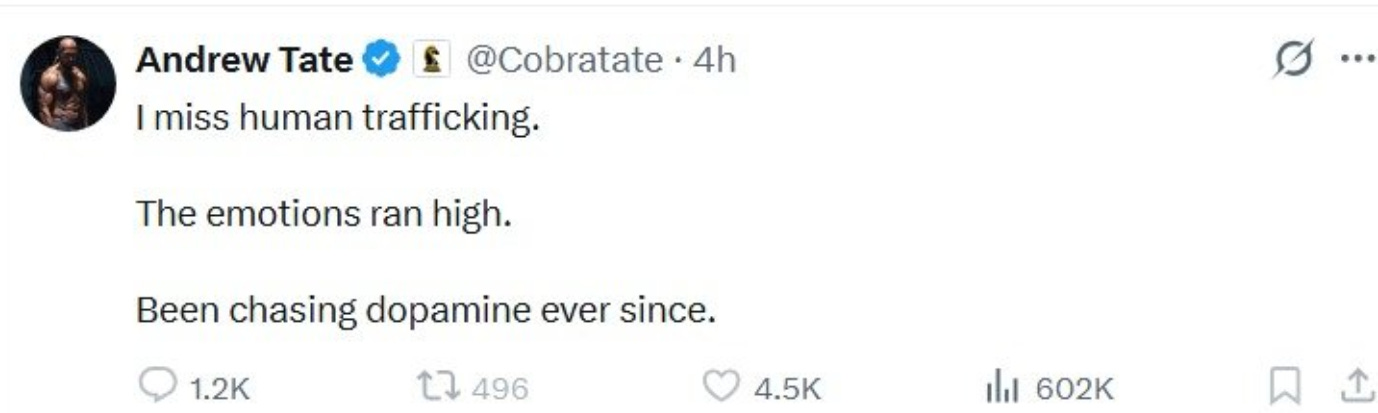
Figures like Jeffrey Epstein and Andrew Tate exemplify neopatriarchy in action. Epstein’s operation relied on elite networks, financial power, and grooming of minors within a commodified sex-trafficking framework - domination without domestic pretence or cooperative male alliances. Tate’s brand promotes raw hypergamy, coercion, and transactional exploitation, openly rejecting marriage/family norms in favour of individualistic control over submissive (often young or economically precarious) women. Both reflect the logical evolution: when traditional patriarchy’s checks and balances falter against women’s advances, neopatriarchy emerges as patriarchy unmasked, an individualistic, market-driven, and ruthlessly focused on the most defenceless to sustain the male ego.
Why Rich Men?
Rich men are not fundamentally different from “regular” men in their adherence to ideological patriarchy. The core drive for unchallenged masculine supremacy and hierarchical domination remains the same. What differs is the scale, impunity, and performative style with which they enact it.
Small-scale sex traffickers, those operating visibly in local networks or street-level exploitation are far more exposed and frequently apprehended by law enforcement. Their operations lack the insulation of wealth, connections, or institutional cover, making them easier targets for detection and prosecution. In contrast, rich men, capitalists, and members of the ruling class operate under an entirely different set of rules. Their immense power, elite networks, and control over institutions grant them near-total impunity.
They can orchestrate massive, global human-trafficking enterprises with the casual nonchalance of discussing afternoon tea. Jeffrey Epstein and his associates, for example, exchanged emails over the clearnet about “pimping” girls, lacking the hushed, anonymous caution typical of smaller operators because they operated with the confident knowledge that they were effectively above the law. In many respects, their capitalist class did not merely evade the law; it owned and shaped it, along with the government apparatus meant to enforce it.
This dynamic makes their actions all the more sinister. The state and its police forces exist primarily in service to them, not to the victims. When the powerful traffic, groom, and exploit the vulnerable on a transnational scale, the very institutions designed to protect society become tools of their protection instead; silencing investigations, delaying accountability, and preserving the hierarchy that sustains their conquest. Wealth does not invent patriarchal entitlement; it simply amplifies it, removes all friction, and normalizes what would otherwise be unthinkable.
The only real requirement for these men was discretion: refrain from public expression of their exploits to preserve social capital, reputation, and institutional face. When leaks inevitably occurred, they delivered a massive blow to optics and risked destabilizing the entire hierarchical order they depend upon.
Epstein’s death was officially ruled a suicide in 2019, though widely viewed as self-orchestrated or assisted to staunch further leaks served precisely this purpose: to seal off additional revelations that could expose the network’s breadth. Despite voluminous evidence released in tranches (including millions of pages under the 2025 Epstein Files Transparency Act), no significant new prosecutions have materialized beyond Ghislaine Maxwell’s conviction.
The irony is quite stark isn’t it? The only person imprisoned in connection with Epstein’s vast operation is a woman. To be clear; Maxwell deserves her sentence for her active role in grooming, trafficking, and facilitating Epstein’s abuses, as well as her own crimes.
Yet her prosecution increasingly appears as a sacrificial offering; an isolated scapegoat offered up to placate public outrage while shielding the elite men who participated, benefited, or turned a blind eye. Recent document dumps have named powerful figures, revealed communications, and detailed uncharged co-conspirators, yet Deputy Attorney General statements and official reviews indicate no basis for further criminal charges has been found or pursued.
Whether additional sex offenders from the Epstein orbit will ever face accountability remains profoundly unclear. Patriarchal power structures protect their own at the top: wealth and class insulate the perpetrators, while the most visible collaborator (a woman) absorbs the punishment.
It’s Everywhere
Cultural pedophilia is not confined to a handful of powerful men or the occasional street-level trafficker. How I wish it were so limited. The patterns of exploitation, domination, and commodification of vulnerability run far deeper and wider, manifesting in everyday people and interactions.
Sadly some form of cultural pedophila exists one way or another in mainstream, in different forms:
The man who searches for “teen” or “jailb*it” on porn websites and pretends his preference isn’t pedophilia because the women aren’t really under 18. “Teen” is the most frequented tag on PornHub.
The anime fan who argues that “lolicon isn’t real children” and finds comfort and delight in his animated love interests acting exactly like kids and pretends his love for animated series involving children is actually just gender non-conforming behaviour (spoiler: it’s not).
Women who end up noticing the preferences of men and emulating the styles and behaviours of children and teens to appeal to men.
Kink culture, ageplay and DDLG becoming normalised and accepted.
Why we call our partners “daddy” or “mommy” or act out infantilism or paternalism as romance and sexuality.
The cultural shaming of women as they age normally.
Men waiting for women to become 18 to launch their OnlyFans. “Bop culture” and related attributes.
The grooming of young women and teenage girls into “sugar daddy” arrangements.
The fetishization and normalization of large age gaps involving young women to significantly older men.
The reframing of pedophilia being a “sexual orientation” and not a manifestation of toxic masculinity by groups like Prostasia, NAMBLA and other pedophile advocacy groups that have infiltrated academia and newspapers.
Religious apologia for child marriage that is overlooked or denied in religions, especially Abrahamic ones like Christianity, Judaism and Islam.
Faux-scientific claims that pedophilia (or hebephilia) is natural and innate to men as it’s due to “fertility”. Despite glaringly observable evidence that a woman’s fertility peaks in her 20s not her teens, and the risks of birth complications and deaths are higher below that age.
The list could go on.
These scripts operate quite often in casual objectification of women and girls, fetishization of innocence of youth, entitlement to women’s bodies, or the quiet acceptance of hierarchies that position some humans as “sex and ego resources” for others
We must also confront the structural barriers that shield higher-scale traffickers from accountability. Chronic underfunding of anti-trafficking programs (think Rochdale) coupled with capitalist influence over governments severely hampers investigations, prosecutions, and victim support.
When the state and law enforcement serve capital and class interests rather than victims, large-scale operations thrive with near-impunity. Why these even exist starts with the root cause - patriarchal ideology itself, not just wealth or corruption in isolation, but the ingrained cultural scripts that equate masculinity with unchallenged dominance over the vulnerable.
Only by addressing the ideological soil of patriarchy alongside the structural fertilizers of capitalism can we actually start to uproot the conditions that produce both everyday misogyny, exploitation of children, and monstrous figures like Epstein.
Do you like these articles? Want to talk more about radical feminism, anti-capitalism in a leftist space?
You’ll love our community over at RadLeftUnity! Join us over at Discord.
Great essay! I especially liked your distinction between patriarchy and neo-patriarchy: "when traditional patriarchy’s checks and balances falter against women’s advances, neopatriarchy emerges as patriarchy unmasked, an individualistic, market-driven, and ruthlessly focused on the most defenceless to sustain the male ego." Excellent analysis.